Saturday, November 28, 2015

Trip to Santo Domingo

Trip to Santo Domingo

THE ANDES
The Andean region (also known as the Sierra and the Highlands) is the most visited region in the country. Its cultural and natural diversity spans grassy highlands (páramo), cloudforests, mountain lakes, active volcanoes, thermal baths, Indian markets, colonial towns and haciendas. Running the length of Ecuador and splitting the country into two from north to south the mountains and valleys of the high Andes form the heart of Ecuador. Quito, the capital of the country, is located at 2,900 meters in a valley on the western slopes of Pichincha.


Steep mountain passes on two lane highways. 

The vegetation was very dense!

Face of the devil!

The views were beautiful and green!

Market at the side of the road.


  You just slurp the white stuff!  Our driver called it Guayaba but it looks more like tamarind.

Taxi driver and member of our ward holding guayaba.

Santo Domingo Bus

Banana palms, papaya, citrus all grow at the side of the road making a beautiful drive!

Candy makers at the side of the road!

You need to watch the video to appreciate what he is doing with the candy!

Home sweet home in a field of sugar cane!

Back to Quito!

The concrete jungle.


Sunday, November 22, 2015

Trip to Jipijapa


Jipijapa is not a tourist town but it is an important trade center for products such as cocoa, cotton, kapok and coffee around the region.  We went to Jipijapa to look for a school and clinic that we could work with.  It is about an hour drive inland from Manta.
Many Ceiba trees on the road to Jipijapa.  Remind me of the whomping willow.

Homes are constructed of bamboo on stilts.   I don't know why because they are built this way even on the tops of the hills!

Homes are built out of bamboo.  It probably helps with ventilation.  Manabi is a pretty warm province.
Welcome to Jipihapa!  They grow a lot of corn here.


Visiting a hospital in Jipijapa.


Entrance to the local ministry of education.  We had to talk to them before we were allowed to visit a school.

Happy children hard at work at their desks!
A very neat notebook. Look at what they are learning in first grade!!

Toys ready for play time!  This is all they had for 24 children!
Visiting a school in Joa. 
The teachers in their cute pink uniforms.  All the students in Ecuador wear uniforms to school.

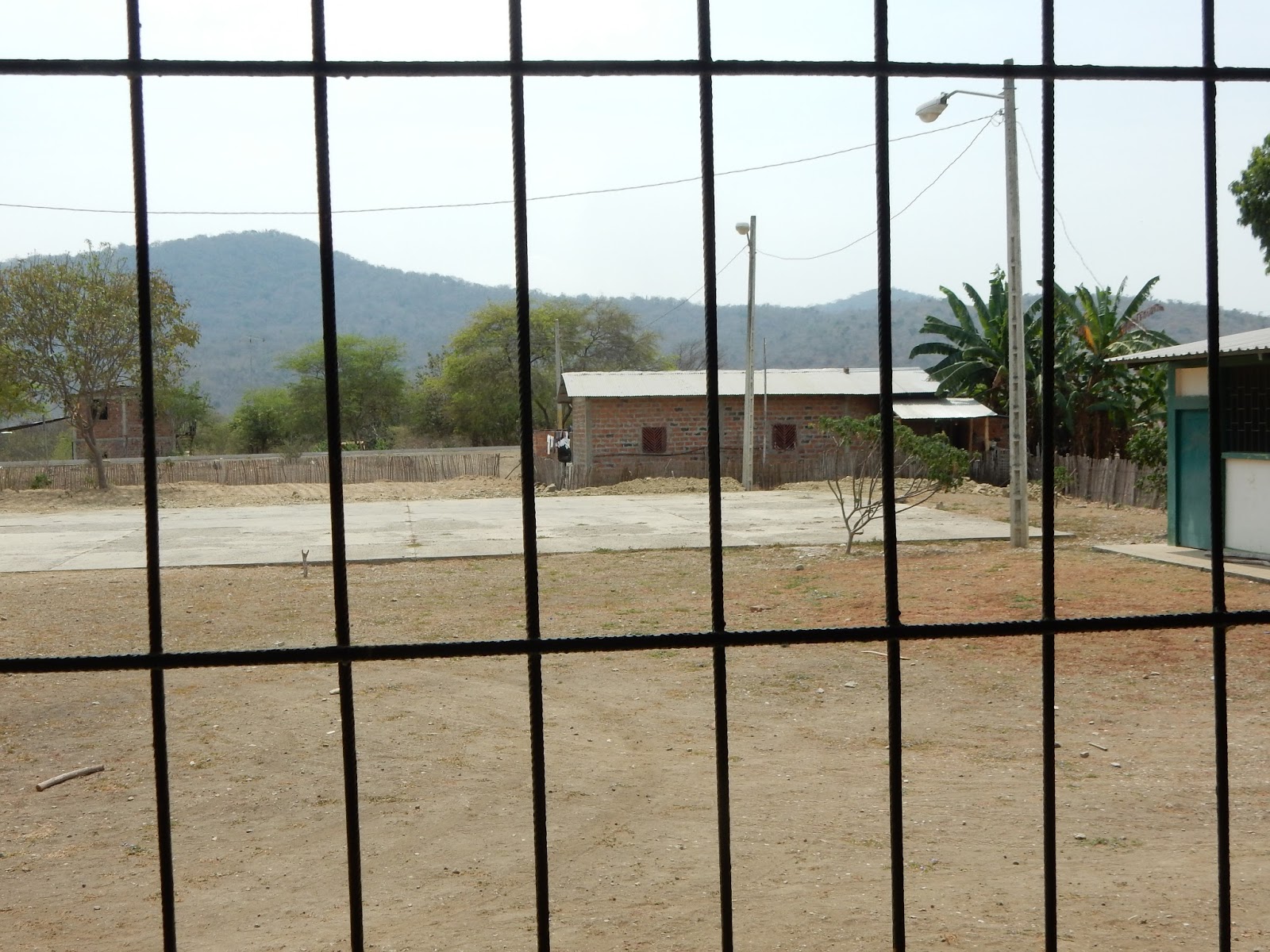
View of the playground from the classroom!  There was NOTHING to play with!


Back to work! The children were in first grade and learning cursive!

Typical home in the community!

Home by the side of the road. In this area the homes were made out of brick.

Saying goodbye to Joa!

STABLE training in Quito with the Ministry of Health

Hundreds of times each day, in hospitals and communities around the world, newly born infants become ill and require specialized care. Each member of the health care team—nurses, physicians, therapists and assistants—must know what to do for the sick infant. Their care must be provided in a timely, efficient, anticipatory, and effective manner. This early transitional care affects not only the immediate health of the infant, but also the infant’s long-term outcome. The S.T.A.B.L.E. Program was developed to meet the educational needs of health care providers who must deliver this important stabilization care. S.T.A.B.L.E. education is critical to the mission to reduce infant mortality and morbidity and to improve the future health of children and their families.
S.T.A.B.L.E. is the most widely distributed and implemented neonatal education program to focus exclusively on the post-resuscitation/pre-transport stabilization care of sick infants. Based on a mnemonic to optimize learning, retention and recall of information, S.T.A.B.L.E. stands for the six assessment and care modules in the program: Sugar, Temperature, Airway, Blood pressure, Lab work, and Emotional support. A seventh module, Quality Improvement stresses the professional responsibility of improving and evaluating care provided to sick infants.


The hospital where the STABLE training was done.  It serves the people in the southern part of Quito.  There were about 25 doctors from hospitals in the surrounding area that were trained.

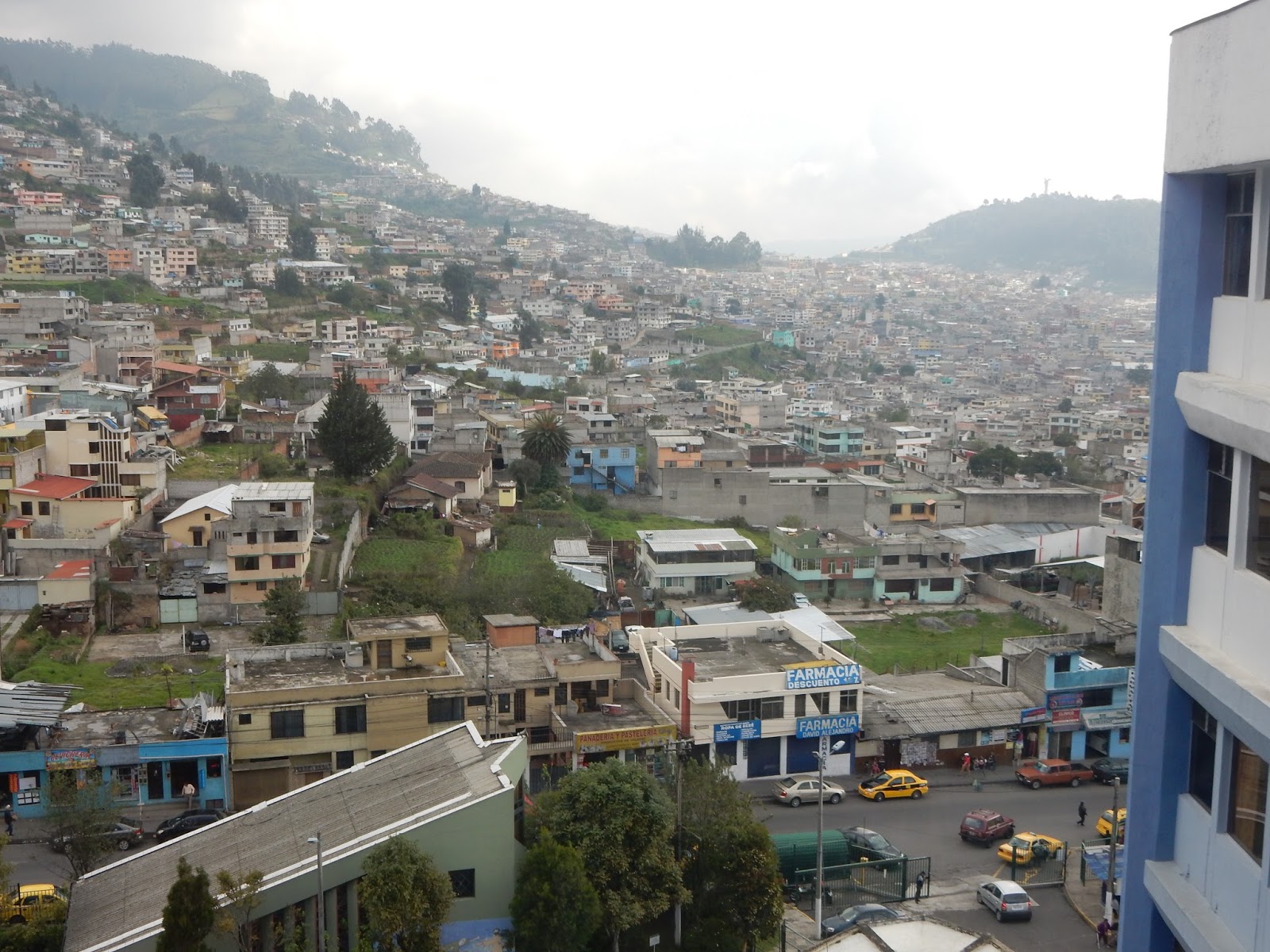
A view of Quito from the hospital.

One of the doctors that helped in the planning of the STABLE program, Dr. Hinahosa.

The course attendees.

One of the doctors receiving his certifcate at the end of the course.  Dr. Jensen (blue shirt)and Dr. Rufino(in the suit) are doctors from the church that taught the course. 

Saturday, November 21, 2015

Machalilla National Park

Isla de la Plata is a small island off the coast of Manabí, Ecuador, and is part of Parque Nacional Machalilla. It can be reached by boat from the city of Puerto López, which is 40 kilometers away. On the island, there is a large diversity of animal species. For example, several species of booby, including the blue-footed booby, red-footed booby, and the Nazca booby. Another species found here is the South American sea lion. Dolphins, like the pantropical spotted dolphin can be found in the water near the island.
Guided tours are given on a couple of different hiking trails. There are many nice beaches on the island where you can see many forms of wildlife and plant species.
There is a shrine from Inca times located in the island. 

 
We spent last Saturday with our NRT doctors visiting the Island.  It took us 2 hours by van and then over an our by boat.  A picture of the countryside on our way to the island of silver.


Streets of Puerto Lopez.  Where our tour to the island began.

Fishing fleet and customers on the beach while frigate birds watch from above.

Street scene in Puerto Lopez

Bamboo at the side of the road!

Fishermen hard at work!

Little three wheel jeepneys are a popular mode of travel.

Here's our boat ready for a one hour trip!  I got so sea sick out on the open ocean.  I don't ever want to go on the water again!!!!

Typical fishing boat!


Silver Island is very dry this time of year.  The white cliffs are a result of bird droppings over the millenia. Some say the island got it's name when ancient sailors saw the island in the light of the moon.
Island is very hilly and the trails are steep!

A blue footed Boobie sitting on her eggs.  We saw 100's of them!

Mother with hatchlings!

Picture of the shore from the top of the cliffs!

Cactus of the desert island!

Nasca Booby

Frigate Birds were all over and stinky!

Sea turtles surface as a result of chumming by our guides!

Beautiful fish surface after we saw the turtles!  We stopped and everyone except me and one other person went snorkling.  The water was choppy and not very clear so they didn't see many fish.

Sunset on the way home!